
This working summary reflects Forum members' perspectives on what it means to communicate a shared vision for New Orleans' future.
Drawing from discussions at the July 2026 convening, the themes below represent the most common ideas, messages, and stories participants use when talking about the region's ability to adapt, endure, and thrive.
We invite you to review these themes and consider how they align with your own experience. Do you see opportunities to strengthen the narrative? Are there important messages, examples, or perspectives missing from this summary? Your feedback will help build a more compelling and cohesive story about New Orleans' collective future.
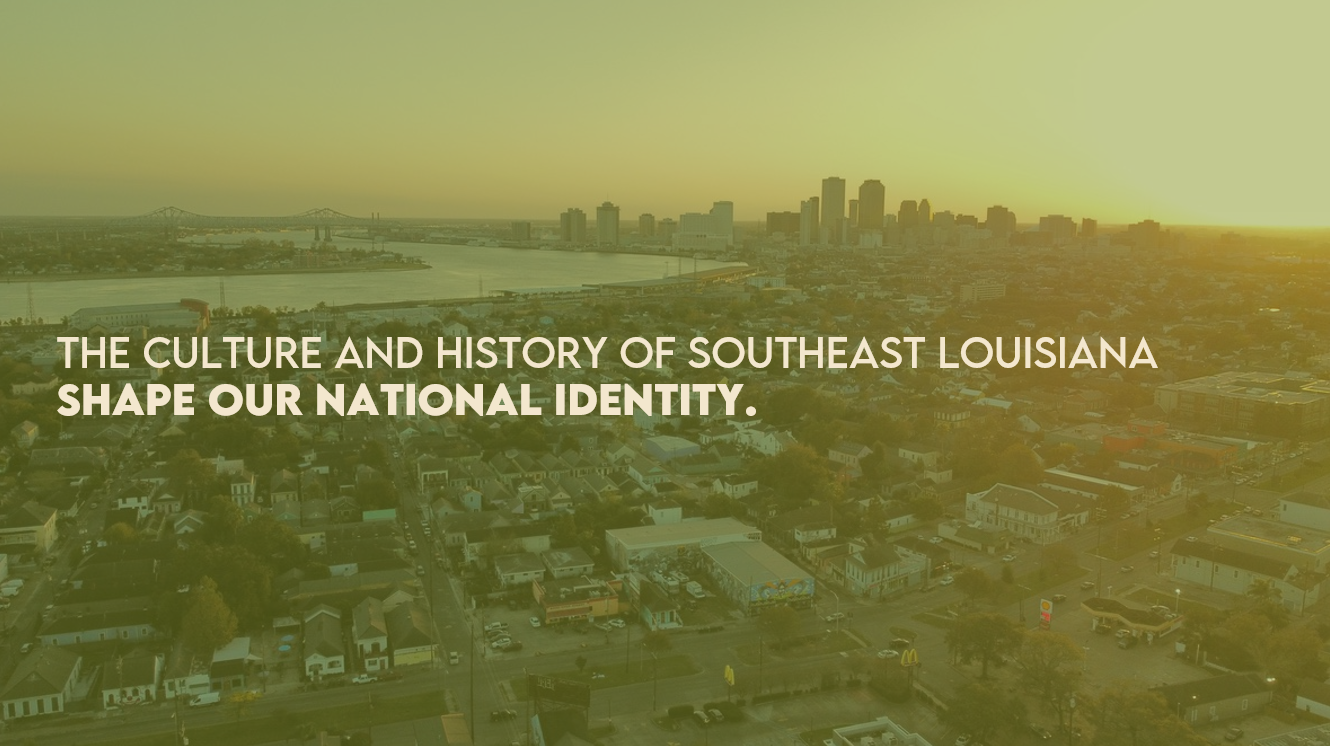
All great rivers have great cities on their deltas. So, let's shift the question from why we're here to how we'll stay here.
Regional Advantages, Broader Context
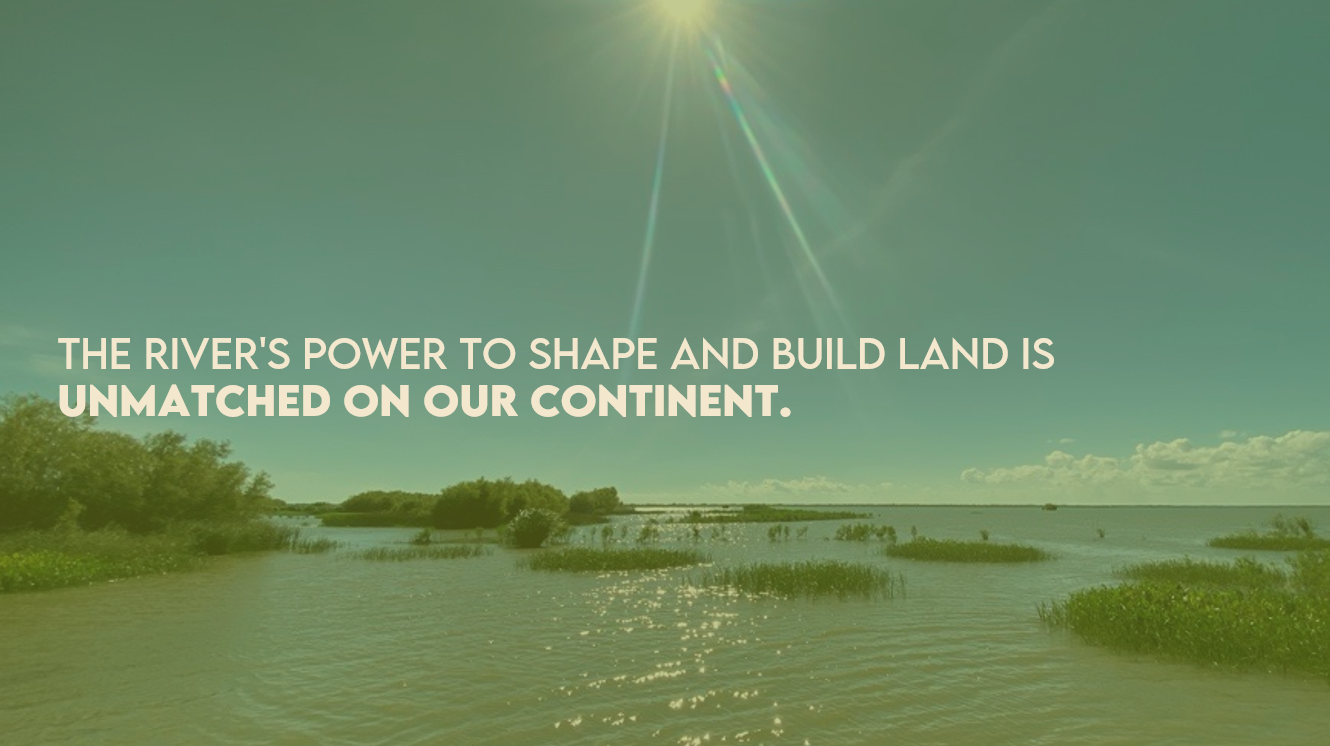
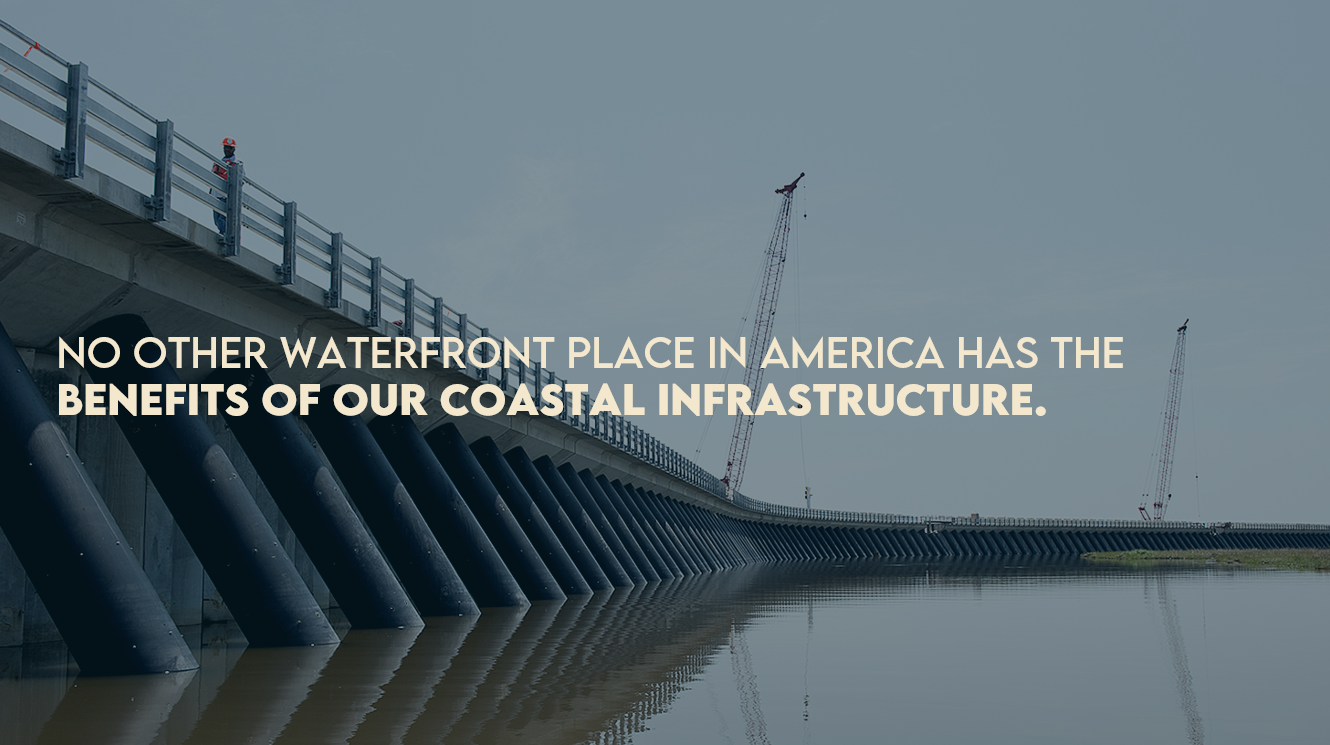
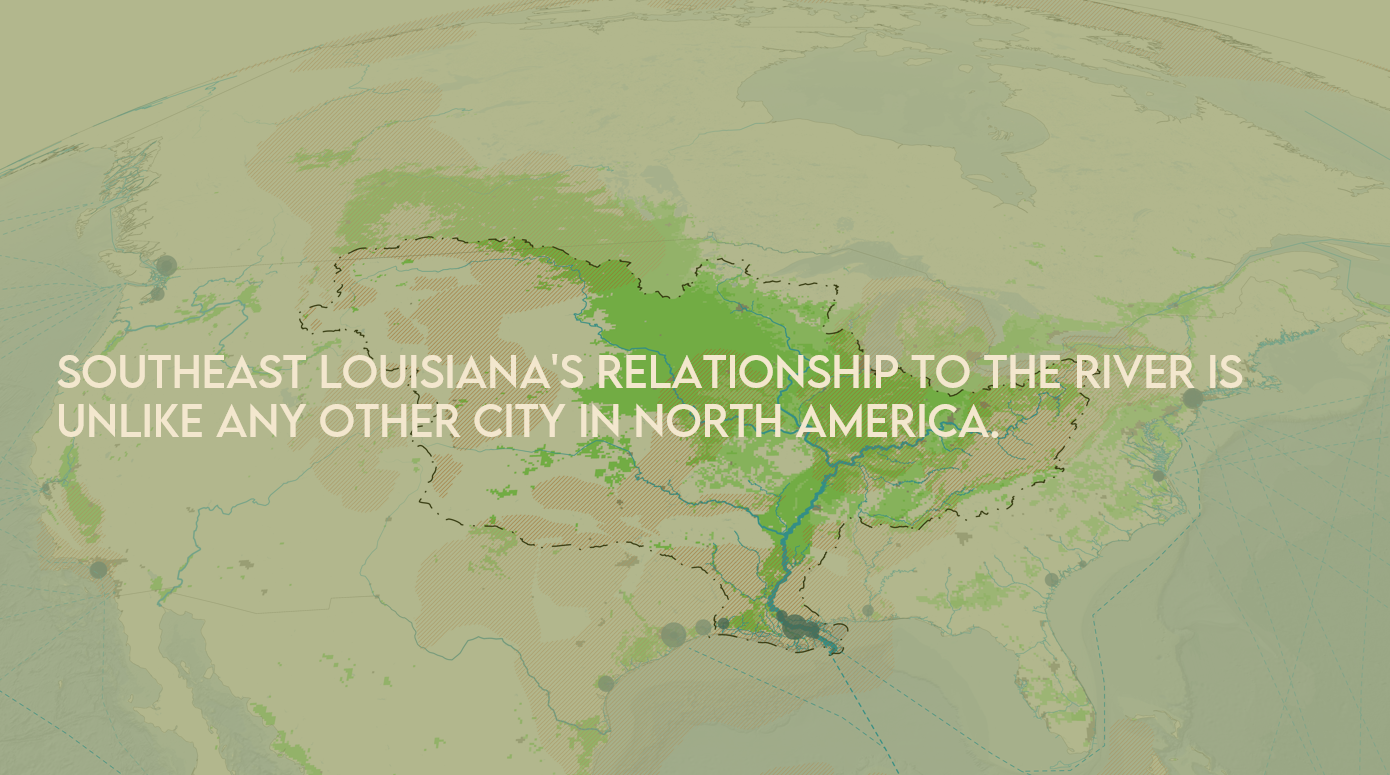
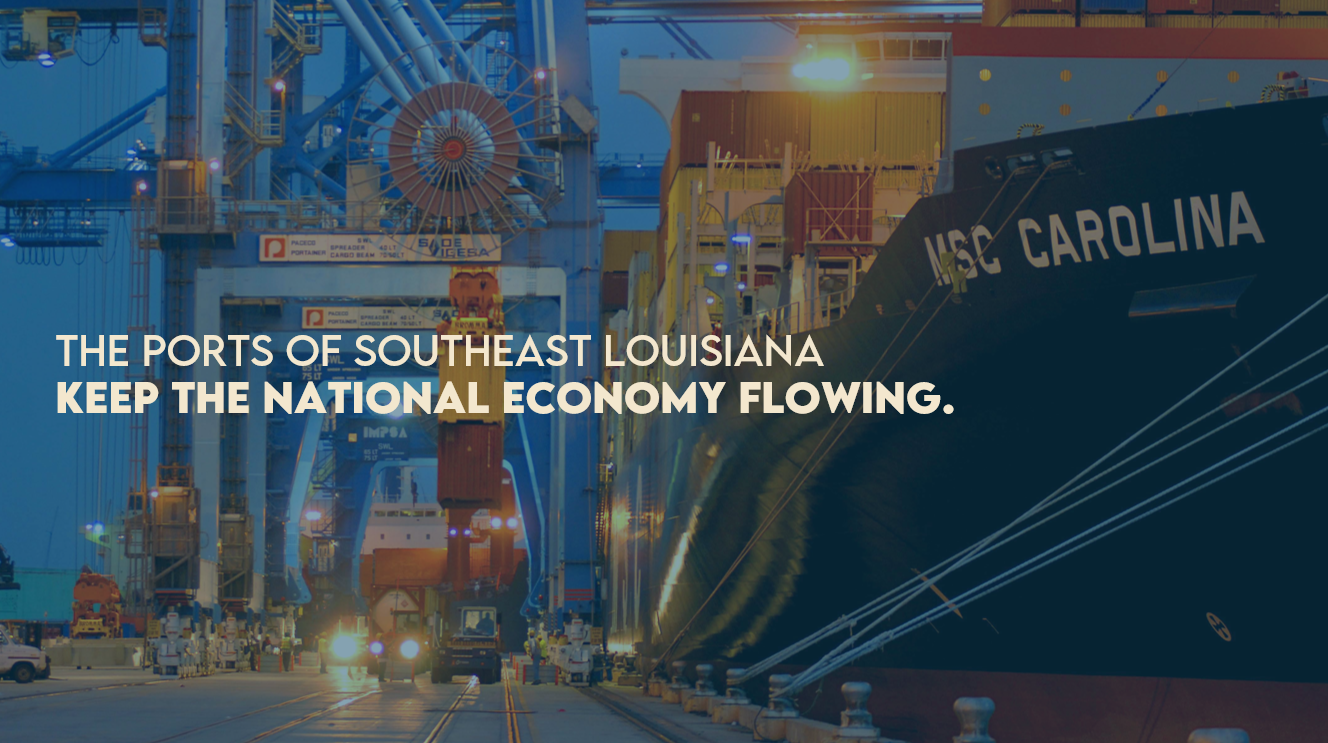
Southeast Louisiana possesses unique coastal adaptation advantages. At the heart of these advantages is the Mississippi River Delta, a dynamic system with an extraordinary capacity to shape landscapes, build land, and sustain ecosystems. Few regions globally, and none at a comparable scale on our continent, benefit from a natural asset with such transformative power. Economically, the ports of Southeast Louisiana serve as critical arteries of the national and global economy, moving agricultural products, energy resources, and goods that connect the country to global markets. Our infrastructure is equally distinctive. No other region in the United States combines the scale of its flood protection system, coastal restoration investments, navigation infrastructure, and natural protective features. Together, these natural, economic, and infrastructural assets provide a foundation for innovation and leadership in climate adaptation.
The culture, history, and traditions that emerged from our relationship to the River have helped shape the identity of the nation itself. Few would argue that New Orleans and Southeast Louisiana are expendable cultural assets. Rather, they are places of profound national significance. History offers an important reminder: great rivers have always supported great cities at their deltas. From the Nile to the Yangtze to the Mississippi, societies have consistently invested in adapting to dynamic river systems because the opportunities they create outweigh their challenges. Southeast Louisiana is no exception. Given our unique assets, expertise, and strategic importance, the question should not be whether we belong here. The question is how we will continue to thrive here. By focusing on adaptation, innovation, and long-term resilience, we can shift the conversation from why we're here to how we'll stay here.
our collective narrative
By focusing on adaptation, innovation, and long-term resilience, we can shift the conversation from why we're here to how we'll stay here. Forum members echoed many of these themes, placing particular emphasis on our extraordinary culture, the persistence of our people, and the infrastructure investments that help protect our communities. At the same time, the discussion revealed opportunities to more fully incorporate Southeast Louisiana's unique natural, economic, and technical assets into the regional narrative. Participants also highlighted the importance of public education, community engagement, and collaborative approaches to climate adaptation, reminding us that many of the challenges we face are shared by coastal communities around the world.
Together, these insights point to an opportunity to build a more balanced and compelling story, one that highlights both what makes Southeast Louisiana unique and the lessons we can offer others. The strength and dynamism of our culture is sustained by the intrinsic economic, environmental, and infrastructural advantages of our region. While significant challenges remain, it is equally important to recognize and share stories of long-term success. Achievements such as strengthening the regional levee system, reforming levee governance, and advancing science-based coastal restoration demonstrate what sustained commitment can accomplish. These successes may take years or decades to unfold, but they provide evidence of progress and reinforce Southeast Louisiana's position as a global leader in climate adaptation.
Common Themes in Forum Member conversations on Communicating New Orleans’ Future
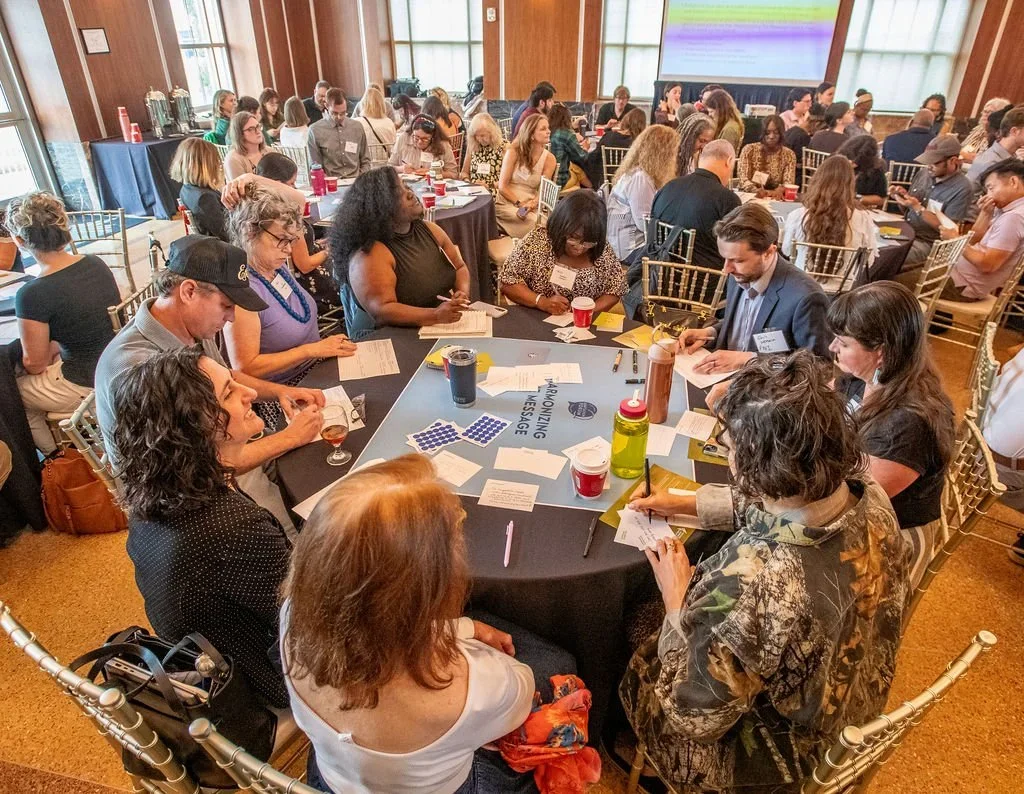
During group activities at the Forum’s 2026 Summer Convening, participants shared their perspectives in response to several prompts. These themes represent the common responses, and are ranked by frequency with which they were identified.
-
Region's adaptation work could benefit from improved storytelling
Progress is real but needs to be better explained to the public in ways that build understanding and support.
More education and engagement on both successes and risks.
Avoid generalities and speak more concretely about adaptation projects, risks, and strategies for the future.
Tension in the work: a background pessimism about climate change alongside pressure to sound positive.
Doing this work honestly means getting comfortable with being uncomfortable.
-
Southeast Louisiana has made major strides toward adaptation, especially through infrastructure investment.
The work is unfinished. The region must speed up the pace of climate adaptation project implementation, scale up what works, and complete what has been started.
Small, incremental steps add up, and past disasters and setbacks have repeatedly created openings for learning and innovation.
Pointed to coalitions of experts and community members that are already established and working together on adaptation.
-
Southeast Louisiana is not the only place facing climate risk, and conversations about its future should not treat it as an outlier.
Because of what the region has already been through and built; it is positioned to serve as a model for other low-lying coastal regions.
-
Strong sense of community in which people take care of one another and saw that as a source of the region's capacity to endure.
Region's culture and community pride are what make it worth fighting for.
Participants described residents who have learned to live with risk, a deep sense of place, and a tradition of historic, traditional, and Indigenous practices that are often more sustainable than modern defaults. How buildings are laid out, how people live, and even how the dead are buried.
-
Small businesses, innovative technology, and the Coastal Master Plan as local resources for adaptation, along with abundant natural assets such as wetlands, the river, and energy resources.
Region's outsized economic importance to the state and the nation.
Expressed optimism about the region's ability to adapt
Belief that people care about climate change and are ready to contribute.
-
Many people, businesses, and communities want to invest in adaptation, but funding and affordable options are limited.
Climate effects are already raising the cost of living, particularly through insurance, and adding stress to households.
Uncertainty about future, funding, technology, and implementation, noting the current political environment is a legitimate constraint.
-
Holistic solutions that account for adaptation, the economy, unintended consequences, and serve broad segments of the public.
More multidisciplinary collaboration and knowledge-sharing across the adaptation field, and for incentives that make it easier for people to take part.
We will build on these discussions at our next Forum Convening in January 2027, where we will continue exploring the themes and opportunities identified through this year's work. Thank you for being part of this journey as we work collectively to accelerate adaptation and ensure a thriving, sustainable future for our region. Stay tuned for additional information on upcoming activities, and in the meantime, we encourage you to review the feedback summary and this analysis and share your thoughts above. Your continued participation helps strengthen the collective conversation and shape the future of Southeast Louisiana.